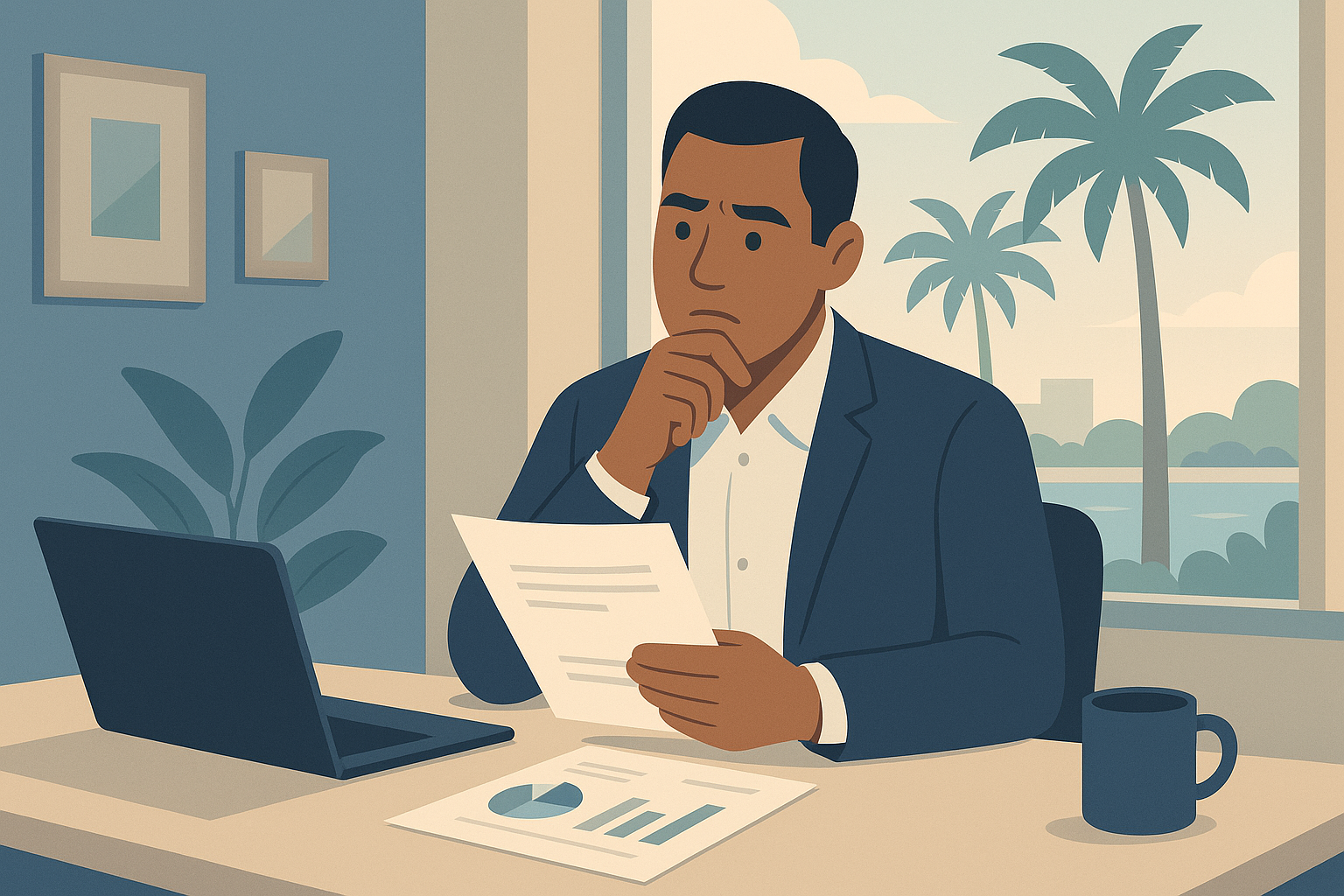
The True Cost of a Bad Hire for South Florida Employers
We've all been there. You hire someone who looks great on paper, invest time in training, adjust schedules to bring them on—and two weeks later, they're gone. Or worse: they stay, underperform, drag down morale, and you're left managing the fallout while scrambling to backfill the role. For South Florida employers running lean operations in warehousing, hospitality, events, or light manufacturing, the cost of a bad hire isn't just an HR headache. It's a direct hit to your bottom line.
After three decades helping businesses across South Florida solve staffing challenges, we've seen how a single bad hire can ripple through an entire operation. The good news? Once you understand the true cost, you can take steps to prevent it—and that's exactly what we're here to walk through.
What Counts as the Cost of a Bad Hire?
The price tag of a bad hire goes far beyond the wages you paid them. It's the sum of everything that went wrong from the moment you made the offer to the day they left (or the day you finally let them go).
Here's what we typically see employers facing:
- Recruitment costs: Job ads, screening time, background checks, and the hours your team spent interviewing.
- Onboarding and training: Orientation, safety training, system access, uniforms, and the productivity lost while a supervisor or peer trains them.
- Lost productivity: The work that didn't get done—or got done poorly—while they were on your payroll.
- Supervisory time: The extra hours your managers spent coaching, correcting mistakes, and ultimately managing them out.
- Morale impact: Good employees notice when someone isn't pulling their weight. They pick up the slack, work overtime, and sometimes start looking elsewhere.
- Repeat hiring costs: Now you're back at square one: posting the job, screening candidates, and starting the cycle all over again.
And if the bad hire caused a safety incident, customer complaint, or compliance issue? Add legal fees, workers' comp claims, and reputational damage to the list.
The Dollar Amount: How Much Does a Bad Hire Really Cost?
Conservative estimates place the cost of a bad hire at roughly one to two times the employee's annual salary. For an hourly worker earning thirty thousand dollars a year, that's thirty to sixty thousand in total impact. For a supervisor or skilled role, the number climbs fast.
But we find those industry averages don't tell the full story for small and mid-sized operations. When you're running a team of twenty or fifty people, a single bad hire doesn't just cost money—it costs momentum. Your best people burn out covering the gaps. Customer orders slip. Overtime spikes. You lose the time you could have spent growing the business because you're stuck fixing a staffing problem that shouldn't exist.
In South Florida's competitive labor market—especially in seasonal industries like hospitality and events—the cost of a bad hire also includes opportunity cost. That's the revenue you didn't capture because you were understaffed during your busy season, or the client you couldn't take on because you didn't have reliable people in place.
Why Bad Hires Happen (Even to Good Employers)
Let's be clear: hiring mistakes aren't a reflection of your competence as a business owner. They happen because hiring is hard, and the pressure to fill open roles quickly often works against making the right choice.
Here are the most common reasons we see bad hires slip through:
- Rushed hiring decisions: When you're already short-staffed and the pressure is on, it's tempting to hire the first warm body who shows up. Speed matters, but not at the expense of fit.
- Weak screening processes: A resume and a quick interview don't tell you how someone will perform under pressure, show up on time, or work with your team.
- Overselling the role: If the job description doesn't match the reality—hours, physical demands, work environment—you'll get early turnover every time.
- Ignoring red flags: We've all hired someone despite a gut feeling that something was off. Usually, that gut feeling was right.
- No onboarding structure: Even a great hire can become a bad one if they're thrown in without training, clear expectations, or support.
In tight labor markets, these pressures get amplified. You're competing with other employers for the same small talent pool, and the cost of leaving a role open feels immediate. But filling it with the wrong person costs more in the long run.
Hidden Costs That Don't Show Up on a Spreadsheet
Some of the biggest costs of a bad hire are the ones that don't hit your P&L directly—but you feel them anyway.
Team morale and engagement: Your reliable employees notice when someone isn't contributing. They cover the missed shifts, fix the mistakes, and absorb the frustration. Over time, that erodes morale and increases the risk that your good people will leave, too. We've seen operations lose multiple strong workers because one bad hire created a toxic ripple effect.
Manager burnout: Supervisors and team leads bear the brunt of a bad hire. They spend extra time coaching, correcting, and documenting performance issues—time they should be spending on strategic work, process improvement, or supporting the rest of the team. When managers burn out, you lose institutional knowledge and leadership continuity.
Customer experience: In customer-facing roles—hospitality, events, retail—a bad hire can damage relationships you've spent years building. A rude interaction, a no-call/no-show that leaves you understaffed, or a poorly executed job can cost you repeat business and referrals.
Compliance and safety risk: In industries with strict safety or regulatory requirements, a bad hire who doesn't follow protocols can expose you to fines, lawsuits, or worse. One incident can undo years of a clean safety record.
How to Reduce the Cost of a Bad Hire
The best way to handle the cost of a bad hire is to avoid making one in the first place. That's easier said than done when you're managing day-to-day operations, but there are proven strategies that work.
Improve your screening process: Go beyond the resume. Use structured interviews, skills assessments, and reference checks that actually tell you something. Ask behavioral questions that reveal how candidates have handled real situations in the past.
Be transparent about the role: Don't sugarcoat the job. If it's physically demanding, involves night shifts, or requires weekend availability, say so upfront. You want candidates who are genuinely interested in this job, not just a job.
Invest in onboarding: A structured first week—clear expectations, proper training, a check-in cadence—dramatically improves retention and performance. People want to succeed. Give them the tools to do it.
Track your turnover: If you're seeing high early turnover (people leaving in the first 30-90 days), that's a signal. It might be your hiring process, your job descriptions, or a mismatch between expectations and reality. Data helps you spot patterns.
Consider a staffing partner: This is where we come in. At Employer Solutions Services, we've spent thirty years refining the science of matching the right people to the right roles. We handle screening, onboarding, payroll, and workers' comp—and because we work with candidates daily, we know who's reliable, who's a fit, and who's going to show up. When a role doesn't work out, we replace them fast. You don't eat the cost of a bad hire; we do.
Why South Florida Employers Partner with Employer Solutions Services
We work with businesses across South Florida—from Dade to Broward to Palm Beach—who are tired of the turnover treadmill. Our clients in warehousing, hospitality, light manufacturing, and events come to us for the same reason: they need people who show up, do the work, and stick around. And they need a partner who understands the local labor market and the operational realities of running a lean business.
Here's what that partnership looks like:
- Pre-screened, job-ready talent: We handle recruiting, background checks, and skills assessments. You interview the candidates we've already vetted.
- Fast replacements: If someone doesn't work out, we replace them. You don't go back to square one.
- Payroll, workers' comp, and compliance: We take on the administrative burden and the risk, so you can focus on operations.
- Local expertise: We're based in South Florida and we've been here for three decades. We know the market, the talent pool, and the challenges you're facing.
Our Free Workforce Assessment helps you see exactly where turnover is costing you money—and how we can help you stop the cycle. There's no obligation, no sales pitch. Just a clear-eyed look at your staffing costs and a roadmap to reduce them.
Stop Paying for Bad Hires
The cost of a bad hire isn't just financial. It's the time, energy, and focus you lose while managing a problem that shouldn't exist. It's the good employees who get frustrated and leave. It's the growth you can't pursue because you're stuck firefighting staffing issues.
You don't have to keep paying that cost. With the right processes—and the right partner—you can build a stable, reliable workforce that shows up and performs. That's what we've been helping South Florida employers do for thirty years, and it's what we're ready to help you do next.
Ready to stop overpaying for turnover? Get your Free Workforce Assessment today. Call or text us at 877-421-2873, or visit essnational.com. Let's put an end to the bad hire cycle—together.
